
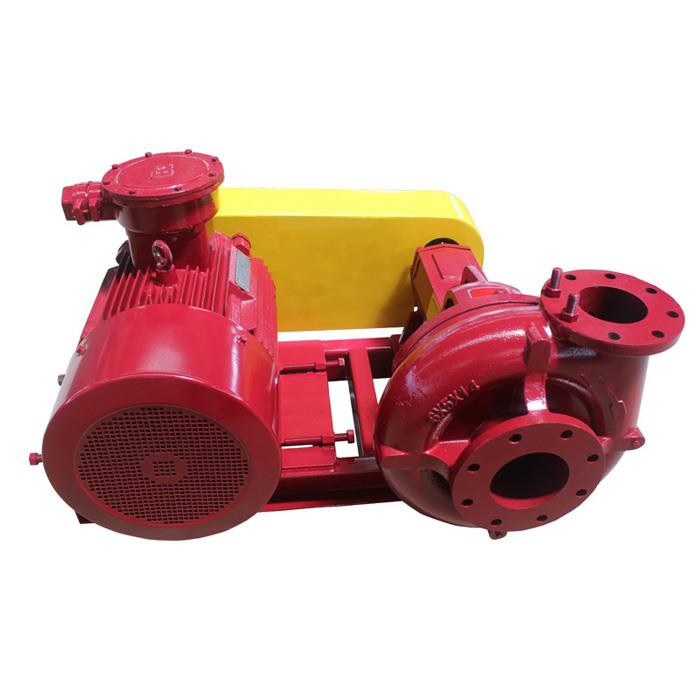
 By Mr.Sun
Solids Control Equipment Buying Guide for Oilfield Maintenance Teams
Solids Control Equipment is an important part of the solids control equipment supply chain because drilling crews need components that fit accurately, hold pressure and remain serviceable under abrasive mud conditions. This article explains how solids control equipment supports wear resistance, sealing quality and long-term spare-parts supply, and how buyers can evaluate the part before placing a repeat order.
In most purchasing projects, Solids Control Equipment is not selected as a single isolated item. Engineers normally compare dimensions, material grade, sealing surfaces, working pressure and compatibility with pump models. A clear specification reduces installation risk and helps the maintenance team prepare enough spare parts before a shutdown window begins.
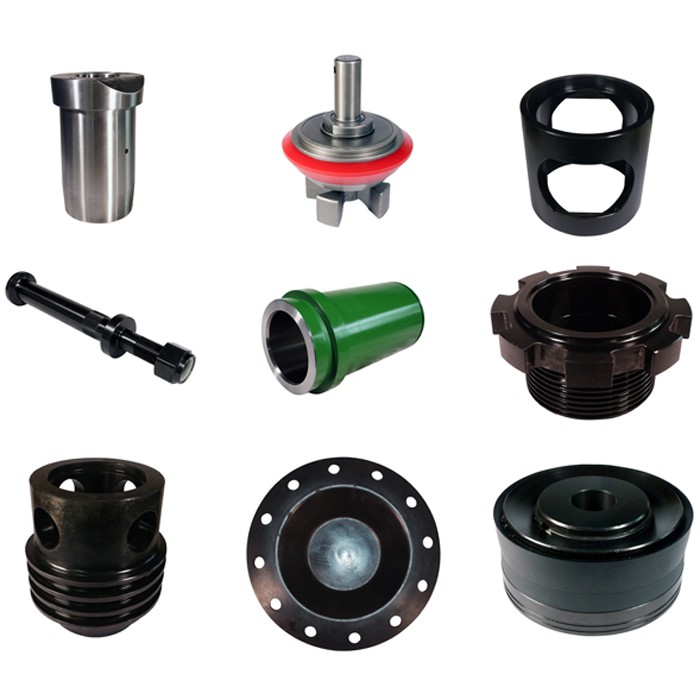
BORU is one of the largest solids control equipment suppliers in China. Our factory provides high quality solids control equipment made in China with competitive price. Welcome to place an order. The same principle applies when Solids Control Equipment is used in active drilling service: the part must be consistent from one shipment to the next, with machining, coating, hardness and packaging controlled well enough for international spare-parts programs. Many buyers prefer a Chinese manufacturer with its own factory because communication about drawings, inspection records and delivery dates is usually more direct.
Key Selection Points for Solids Control Equipment
The first selection point is dimensional accuracy. Even a small mismatch can cause uneven load, leakage, vibration or premature wear. The second point is material stability, especially where the part touches abrasive drilling mud, sealing rubber, valve seats, liners or pressure-bearing surfaces. The third point is traceability, because many operators need purchase records, batch checks and visual inspection before installation.
For buyers comparing Centrifugal Degasser with other pump components, it is useful to review the full assembly rather than only the single part. A liner, piston, valve, fluid end module, crosshead or crankshaft item often depends on adjacent parts to perform correctly. A responsible supplier and exporter should help confirm the matching relationship before shipment, especially when the buyer also needs API certificate support or other quality documents.
Application and Maintenance Notes
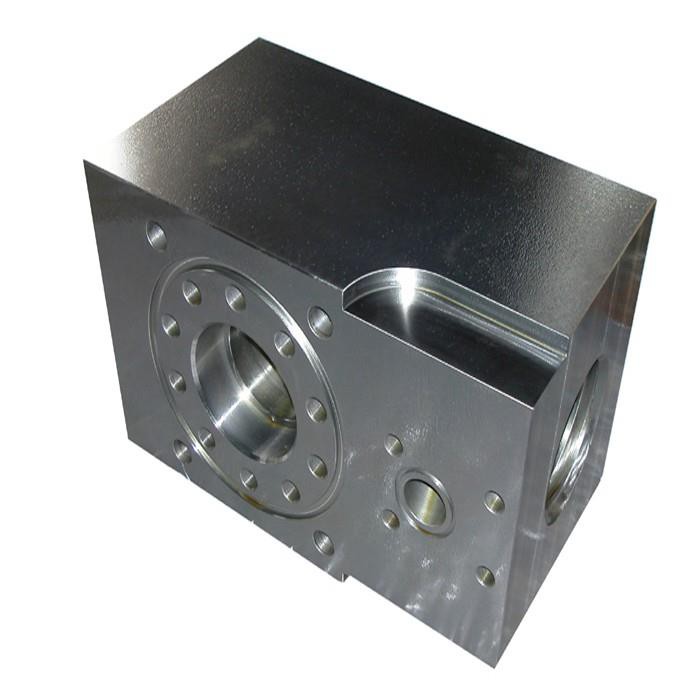
During maintenance, technicians should clean the mounting area, check wear marks and inspect sealing faces before installing solids control equipment. If the part is related to a pressure chamber, valve bore, piston rod, liner area or manifold connection, the inspection should also include surface damage and abnormal corrosion. Replacing related wear parts at the same time can reduce repeated disassembly.
Inventory planning is another reason to study Centrifugal Pump carefully. Oilfield service companies often keep fast-moving items in stock, while larger or less common components are ordered according to rig maintenance schedules. A balanced plan avoids emergency freight, wrong-model purchases and long equipment downtime. Price should be compared together with material, inspection, packing and after-sales response rather than treated as the only purchasing factor.
Why Supplier Experience Matters
A professional supplier should understand drawings, part numbers, pump models and practical field conditions. When buyers request Decanter Centrifuge, they are usually looking for more than a low price. They need stable communication, export packing, technical confirmation, API certificate information when applicable, API7K-0612 Mud Pump Parts API certification standard awareness and a realistic lead time. That combination is what makes a product suitable for long-term oilfield maintenance programs.
FAQs About Solids Control Equipment
What should buyers check before ordering
Buyers should confirm the pump model, part number, main dimensions, material requirement and working condition before ordering Solids Control Equipment. If the component is installed near pressure-bearing or sealing areas, it is also important to check matching parts, surface finish and expected service environment. This avoids wrong-model purchases and reduces downtime during field replacement.
How does Solids Control Equipment affect mud pump reliability?
Solids Control Equipment affects reliability because it works as part of the wider Solids Control Equipment system rather than as a standalone item. Poor fit, unstable material or rough machining can create leakage, vibration, uneven wear or repeated disassembly. A well matched component helps the mud pump keep stable circulation and supports safer drilling operations.
When should Solids Control Equipment be replaced during maintenance?
Replacement timing depends on wear level, pressure behavior, inspection results and the maintenance schedule of the drilling rig. Operators should not wait until a failure stops the pump. If Solids Control Equipment shows visible damage, abnormal wear, sealing problems or compatibility issues with adjacent parts, planned replacement is usually more economical than emergency repair.
Can Solids Control Equipment be stocked for emergency repair programs?
Yes. Many drilling contractors and oilfield service companies keep Solids Control Equipment in spare-parts inventory, especially when the item is used on common pump models or in harsh drilling conditions. Stock planning should consider consumption history, rig quantity, delivery time and whether related wear parts should be purchased together for faster repair.
Why is supplier confirmation important for
Supplier confirmation is important because Solids Control Equipment may have model-specific dimensions, material options or installation requirements. A supplier familiar with Solids Control Equipment can help verify drawings, photos, part numbers and application details before production or shipment. This reduces communication mistakes and gives the buyer more confidence in repeat orders.